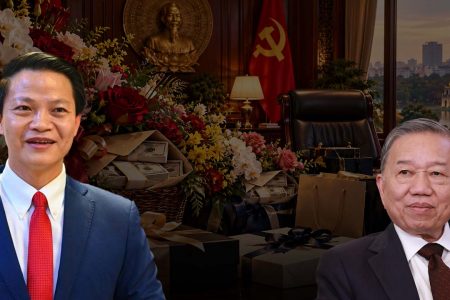
The online space in Vietnam has recently turned into a chaotic theater, where violent rhetoric is tearing apart social order and discipline day and night.
Amid this chaotic landscape, there are three main groups employing a myriad of tactics that, while seemingly distinct, share a common denominator: arrogance and a defiant challenge to public opinion.
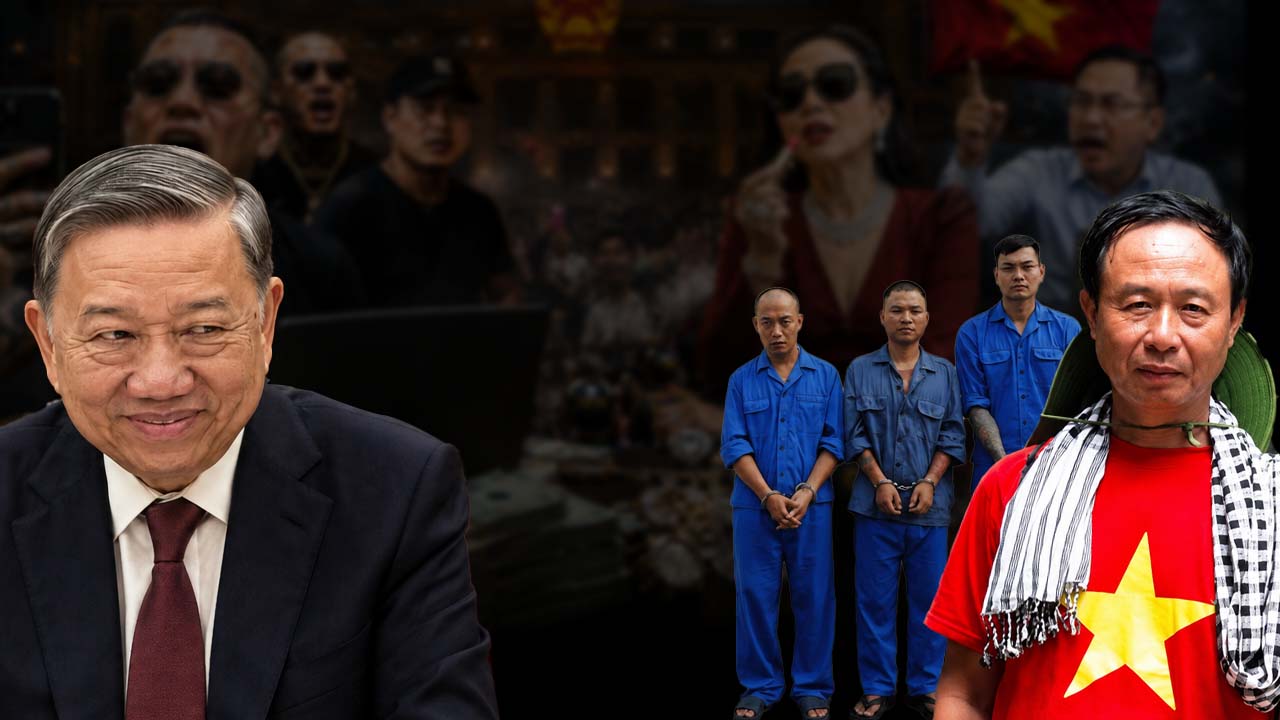
First are the hard-line “Public Opinion Activists”—those who, in the name of the Party, have imposed upon themselves the heavy burden of responsibility to “protect the regime’s survival” through dogmatic and unrealistic thinking.
They assert that the Party and State’s artistic perspective must be absolutely people-centered—not art-centered—in order to protect the Party, the State, and the regime for the sake of the Communist ideal.
Alongside them are the so-called “online gangsters”—tattooed outlaws who have long become “non-conformist” idols for a large segment of the youth. Their appeal is said to overshadow that of all the regime’s top leaders.
By flaunting their wealth and being ready to fight on social media, they boast of not fearing anyone—all while donating a few billion dong to charity in the guise of “patriotic” citizens.
On top of that, there are the wealthy ladies with “plenty of money and possessions” who, when they have nothing better to do in their spare time, are said to take out their diamond-studded jewelry boxes to count their treasures to relieve their boredom.
Notably, the phenomena described above seem to be unprecedented, with heated debates
Translated with DeepL.com (free version)